
History of Katsina Vocational Training Centre
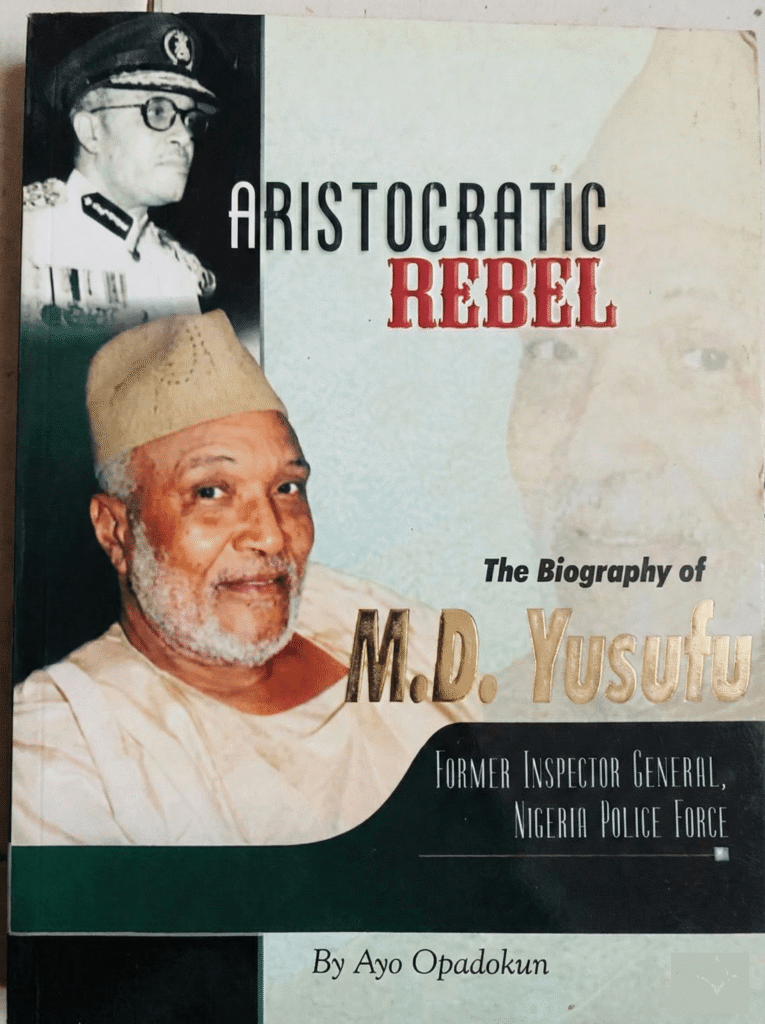
The Katsina Vocational Training Centre (KVTC) was founded with a mission to empower vulnerable youths and transform the lives of people in Katsina State. Its origins can be traced back to 2002, when a local journalist, Danjuma, alerted M.D. Yusufu to a growing crisis among youths: rising drug abuse, politically driven rivalries, and recurring arrests of young offenders by the National Drug Law Enforcement Agency. Concerned that punitive measures alone could not solve the problem, Yusufu encouraged Danjuma to design a practical programme to rehabilitate and equip young people with life-changing skills.
The initiative was initially proposed under the name “M.D. Yusufu Vocational Center,” but Yusufu advised adopting the neutral name “Katsina Vocational Center” to avoid potential controversy. The centre started modestly with approximately ₦400,000, volunteer instructors, and training in small-scale practical skills such as making footmats, yoghurt, ointments, and candles. Trainees were provided with starter materials and, over time, the centre expanded to admit persons with disabilities. A unique feature of the programme was its initial phase of psychological reorientation, designed to help trainees build confidence, develop a sense of purpose, and see themselves as capable of rising above their circumstances.
From these humble beginnings, KVTC gradually grew into a fully-fledged vocational institution, offering a wide array of practical courses, including tailoring, carpentry, welding, auto mechanics, phone and electronics repair, baking, catering, fish farming, and computer skills. The centre emphasized not only technical training but also entrepreneurship, providing graduates with the tools, materials, and guidance to start their own businesses.
The success of the programme quickly attracted attention beyond Katsina, with other state governments visiting the centre to study its model. Over the years, KVTC has trained thousands of youths, women, and disadvantaged individuals, helping to reduce unemployment, foster self-reliance, and transform communities. The legacy of its founder, M.D. Yusufu, continues to inspire new generations, as the centre remains a vital hub for skills development, empowerment, and social rehabilitation in northern Nigeria.